By James Carver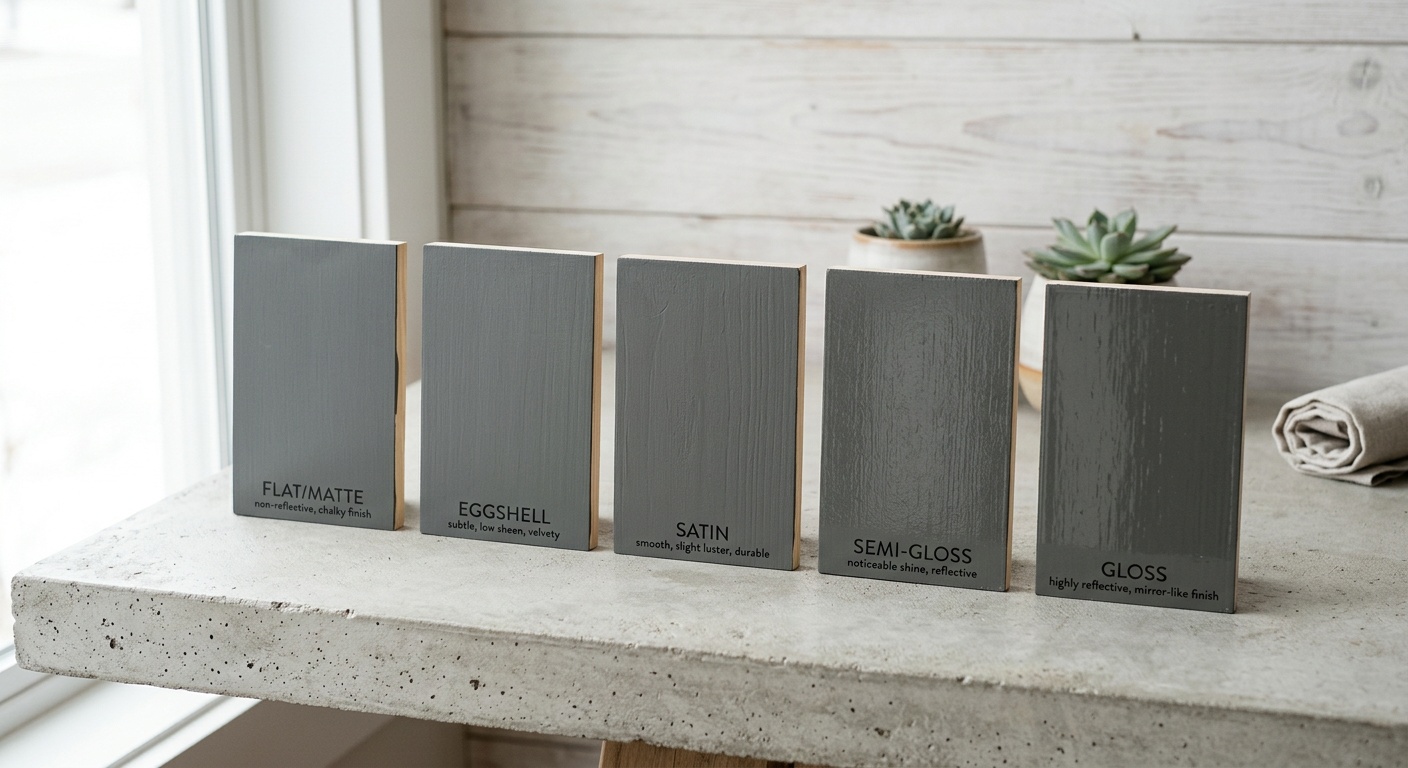
Eggshell vs Satin Finish: Choosing the Right Sheen for Every Room
Reading time: 12 minutes
You’ve finally picked the perfect paint color — a warm greige for the living room, maybe a moody sage for the bedroom. But then comes the question that trips up even seasoned DIYers: which finish do I choose? Eggshell or satin? They look almost identical on the paint chip, yet the difference between them can make or break a room’s final look — and its long-term durability.
Here’s the straight talk: choosing the wrong sheen isn’t just a cosmetic issue. It affects how easily your walls clean, how much moisture they can handle, and how professionally your space ultimately reads. This guide cuts through the confusion and gives you a clear, room-by-room roadmap to making the right call every time.
Table of Contents
- What Are Eggshell and Satin Finishes?
- Key Differences: The Numbers Behind the Sheen
- Room-by-Room Guide: Where Each Finish Wins
- 3 Common Challenges and How to Solve Them
- Real-World Scenarios: Two Homeowners, Two Lessons
- Pro Tips for Application and Longevity
- Frequently Asked Questions
- Your Paint Finish Decision Roadmap
What Are Eggshell and Satin Finishes?
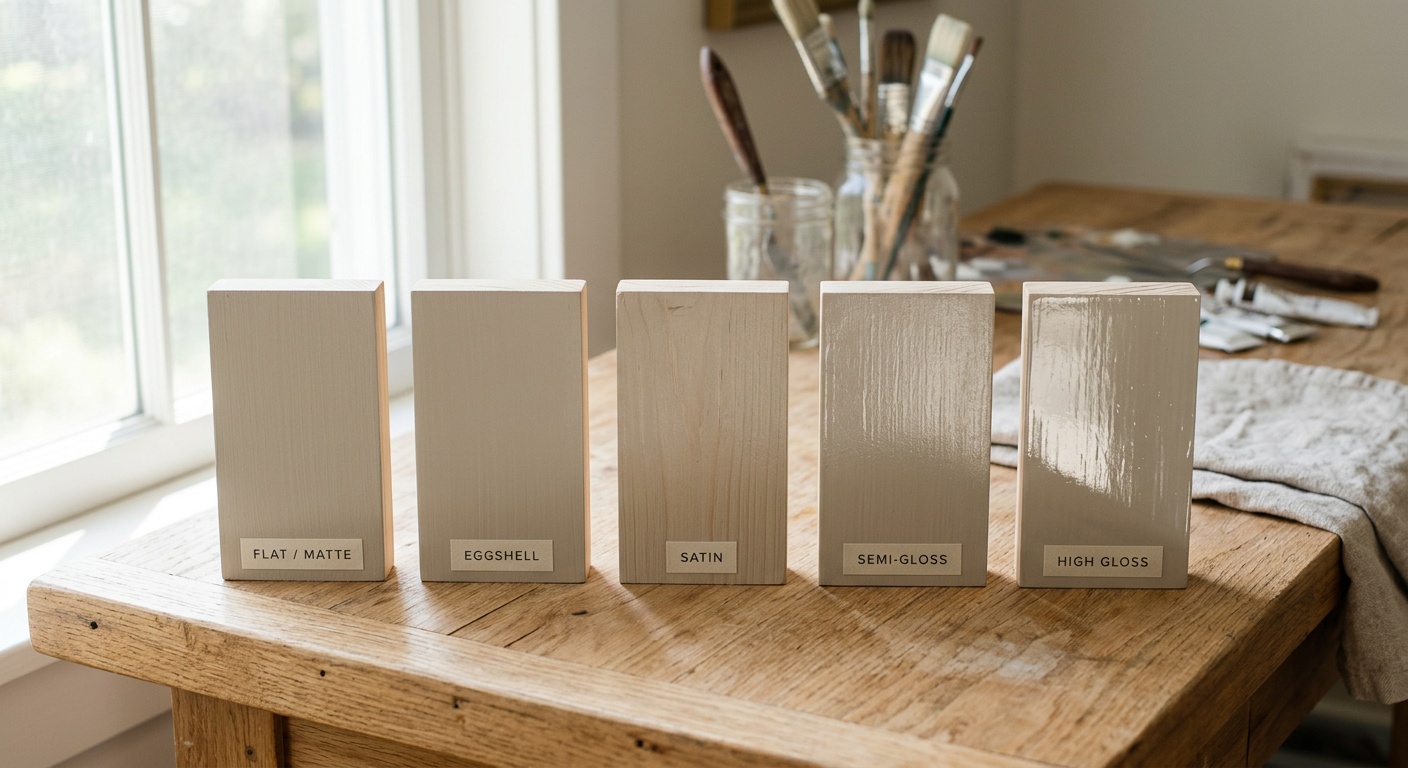
Before diving into the comparison, it helps to understand what “sheen” actually means in paint science. Paint finishes are categorized by their Light Reflectance Value (LRV) — or more precisely in this case, by their gloss units (GU), a measurement of how much light a surface reflects at a specific angle.
Understanding Eggshell
Eggshell finish gets its name from exactly what you’d expect: the subtle, low-luster sheen of an actual eggshell. It typically measures between 10–25 gloss units, placing it firmly in the low-sheen category. It’s a significant step up from flat or matte paint, offering just enough reflectivity to be wipeable, while still hiding minor wall imperfections beautifully.
According to a 2025 consumer survey by the Paint and Coatings Industry Association (PCIA), eggshell remains the most popular interior finish for North American homeowners, used in approximately 38% of all interior residential paint projects. Its appeal lies in that sweet spot between durability and subtlety — it doesn’t scream “shiny,” but it isn’t chalky either.
Understanding Satin Finish
Satin finish sits a notch higher on the sheen scale, registering between 26–40 gloss units. Think of it as the velvet of paint finishes — smooth, slightly luminous, and noticeably more reflective when light hits the wall at certain angles. That extra sheen comes with a practical payoff: satin is considerably more moisture-resistant and scrubbable than eggshell.
In 2026, with open-plan living continuing to dominate home design trends, satin has gained ground as homeowners seek finishes that can handle the demands of high-traffic, multipurpose spaces. Interior design platform Houzz reported in early 2026 that satin finish requests from renovation clients increased by 17% year-over-year, driven largely by kitchen-adjacent living areas and mudrooms.
Key Differences: The Numbers Behind the Sheen
Let’s put the two finishes side by side so you can see exactly what you’re working with before making a decision.
| Metric | Eggshell Finish | Satin Finish |
|---|---|---|
| Gloss Units (GU) | 10–25 GU | 26–40 GU |
| Washability Rating | Moderate (gentle wiping) | High (scrubbing capable) |
| Moisture Resistance | Low–Moderate | Moderate–High |
| Imperfection Concealment | Excellent | Moderate |
| Ideal Traffic Level | Low to moderate | Moderate to high |
The table above makes one thing immediately clear: neither finish is universally superior. The right choice depends entirely on where you’re painting and what that room demands from its walls every single day.
The Sheen Spectrum: A Visual Comparison
To put these differences in context across all paint finishes, here’s how eggshell and satin compare within the broader sheen landscape:
Paint Finish Sheen Scale (Gloss Units, max = 100)
As you can see, eggshell and satin are genuinely close on the spectrum — but that gap between 18 and 33 gloss units translates into real, visible differences on your walls, especially in rooms with strong natural or artificial lighting.
Room-by-Room Guide: Where Each Finish Wins
This is where the decision becomes concrete. Let’s go room by room and give you a clear recommendation with the reasoning behind it.
Living Rooms and Bedrooms: Eggshell’s Natural Home
Living rooms and bedrooms are typically lower-traffic, lower-moisture environments where aesthetics matter most. Here, eggshell’s ability to soften light and conceal surface imperfections is a genuine advantage. Older homes especially benefit — eggshell is forgiving of slightly uneven plaster, nail pops, or the subtle undulations that come with time.
Interior designer Claire Hennessy, whose firm completed over 200 residential projects across the American Northeast in 2025, put it plainly: “In any room where you want the furniture and décor to do the talking, eggshell is your silent partner. It doesn’t compete with the space — it frames it.”
Recommendation: Eggshell — for walls in living rooms, bedrooms, dining rooms, and home offices.
Kitchens, Bathrooms, and Hallways: Satin Steps Up
This is where satin earns its place. Kitchens generate steam, grease splatters, and frequent scrubbings. Bathrooms see daily moisture and humidity fluctuations. Hallways and mudrooms face constant physical contact — shoulders brushing walls, bags dragging, little hands touching everything in sight.
Satin’s higher resin content gives it a denser, more protective film once cured. In practical terms, this means you can wipe down a grease splatter beside the stove without dulling the finish or lifting the paint. A 2025 study by Benjamin Moore’s product testing division found that satin finishes retained their sheen integrity after 2,000 scrub cycles, compared to eggshell’s threshold of approximately 800 cycles before noticeable surface degradation.
Recommendation: Satin — for kitchens, bathrooms, laundry rooms, hallways, mudrooms, and children’s bedrooms.
Children’s Rooms: A Special Case Worth Addressing
Children’s bedrooms sit in an interesting middle ground. They’re bedrooms — which would typically point to eggshell — but they also see crayon marks, sticky fingers, and the occasional art project gone wrong. In 2026, most professional painters default to satin for children’s rooms, prioritizing cleanability over the slight aesthetic advantage of eggshell. The peace of mind is simply worth it.
Ceilings: Neither — But Here’s Why It Matters
A quick note: ceilings almost always call for flat paint, not eggshell or satin. Ceilings rarely need scrubbing, and any sheen on a ceiling will catch and amplify every imperfection. Mixing flat ceiling paint with eggshell or satin walls is a classic professional technique that creates a polished, intentional contrast in any room.
3 Common Challenges and How to Solve Them
Choosing the right finish is one thing. Getting it right in practice is another. Here are the three most frequent problems homeowners encounter — and the solutions that actually work.
Challenge 1: Lap Marks and Uneven Sheen
Both eggshell and satin — but especially satin — are unforgiving of poor technique. If you allow one section to partially dry before overlapping with your roller, you’ll see visible lap marks once the paint cures. The more sheen a paint has, the more these marks catch the light.
Solution: Always maintain a “wet edge” by working in manageable sections and rolling from dry areas back into wet ones. Use a high-quality roller with the appropriate nap (typically 3/8-inch for smooth walls). In large rooms, having a second person cut in with a brush while you roll can prevent the edges from drying too quickly.
Challenge 2: Satin Highlighting Wall Imperfections
One of the most common complaints after choosing satin over eggshell is the “raking light effect” — when light hits walls at a low angle and suddenly reveals every ding, texture variation, and brush stroke that was invisible before. Satin’s reflective surface essentially turns your walls into a canvas for every imperfection.
Solution: Invest in proper wall preparation before applying satin. Skim-coat any rough patches, sand seams flat, and apply a high-quality primer. A smooth base makes all the difference. If your walls are genuinely compromised, eggshell may be the more pragmatic choice regardless of the room’s demands.
Challenge 3: Touch-Up Visibility
Both finishes can be tricky to touch up seamlessly. When you dab fresh paint onto a scuffed area of a satin wall, the new patch often looks noticeably different — shinier and more opaque — especially once it dries. Eggshell has the same issue, though to a lesser degree.
Solution: Always keep a sample of your original paint for touch-ups. When touching up, feather the edges by gradually blending outward in a circular motion rather than painting a defined patch. For satin walls, lightly sanding the repaired area before applying touch-up paint helps the new coat adhere and blend more naturally.
Real-World Scenarios: Two Homeowners, Two Lessons
Abstract advice only goes so far. Here are two scenarios that illustrate how the eggshell vs. satin decision plays out in real life.
Scenario 1: The Open-Plan Renovation
Consider a couple renovating their 1990s open-plan home in suburban Denver in 2025. Their living area, dining space, and kitchen all flowed into one another without walls, creating a design dilemma: the kitchen clearly needed satin for durability, but covering the entire open space in satin meant the living area would look slightly commercial and harder to warm up.
Their solution? Zone the finishes deliberately. They used satin from the kitchen island to the dining table — areas within splash and contact range — and transitioned to eggshell from the dining table toward the seating area and beyond. Because the color was consistent throughout, the finish transition was subtle and barely perceptible to guests, but the functional difference was significant. Two years later, the kitchen walls still clean up easily while the living area maintains its softer, more intimate feel.
Scenario 2: The Bathroom That Fought Back
A homeowner in Portland decided to save money by using leftover eggshell paint in a powder room. The logic seemed sound — it’s a small room, hardly used. Within eight months, the walls showed moisture bubbling near the sink and the beginnings of mildew at the ceiling corners. A professional repaint with satin plus a mold-inhibiting additive resolved the issue, but the cost of repainting and repairing the moisture damage was nearly triple what a proper satin coat would have cost initially.
The lesson here is blunt: any room with a water source deserves satin as a baseline. The few dollars saved on paint are not worth the remediation costs that follow.
Pro Tips for Application and Longevity
Getting the finish right on the can is only half the battle. Here’s how professional painters in 2026 ensure their work lasts and looks immaculate from the first coat to the fifth year.
- Prime properly. A quality primer not only improves adhesion but also standardizes wall porosity, which is critical for achieving an even sheen — especially with satin. Skipping primer is the number one cause of uneven finish in both eggshell and satin applications.
- Roll, don’t brush large surfaces. Brushing large wall sections with satin paint creates noticeable texture variations. Reserve brushwork for cutting in at edges, and use a roller for field application to maintain consistent sheen across the surface.
- Two thin coats beat one thick coat. Thick paint applications create drips, sag, and uneven sheen concentration. Two thin, even coats give you better coverage, a smoother finish, and improved durability.
- Let the first coat fully cure before assessing. Many homeowners panic when eggshell looks too flat or satin looks too shiny after coat one. Final sheen only becomes fully apparent after both coats are applied and the paint has cured — typically 24–48 hours under normal conditions.
- Consider the lighting in your room. North-facing rooms with cool, indirect light can make satin feel harsh. South-facing rooms with warm afternoon light tend to make eggshell look beautiful and luminous. Test your finish with a large swatch in your actual room before committing.
- Use low-VOC formulations. In 2026, the leading paint brands — including Sherwin-Williams, Benjamin Moore, and PPG — have refined their low-VOC lines to the point where there’s no meaningful performance tradeoff. Choose these formulations for indoor air quality, especially in bedrooms and children’s spaces.
Frequently Asked Questions
Can I use satin paint throughout my entire home for simplicity?
You can, but it’s not always the best approach aesthetically. Satin throughout every room creates a uniform, slightly commercial quality that can make spaces feel less warm and intimate. Bedrooms and formal living areas tend to feel more polished and residential with eggshell. That said, if simplicity and maximum durability are your priorities — particularly in a rental property or a home with young children — a quality satin applied consistently is a perfectly practical choice.
Is eggshell suitable for humid bathrooms at all?
In a well-ventilated bathroom with a strong exhaust fan and low daily usage — like a powder room that doesn’t see showers — eggshell can hold up reasonably well. However, in any bathroom with a shower or bathtub, moisture levels routinely exceed what eggshell’s binder system is designed to handle. Satin, or better yet a dedicated bath-and-spa paint (which typically includes mold and mildew inhibitors), is the appropriate choice for wet bath environments.
How do I transition between eggshell and satin finishes in an open-plan space?
The cleanest approach is to use architectural elements as natural transition points — the edge of a kitchen island, a door frame, a change in ceiling height, or even a subtle color shift. If the space is truly open with no natural dividing line, consider keeping the same finish throughout and using a specialty paint for the kitchen zone (such as a kitchen-and-bath satin formula) that blends seamlessly with your broader color palette. Alternatively, running satin throughout a truly open plan is increasingly accepted in 2026 design practice, especially as paint formulations have become softer and less obviously “shiny.”
Your Paint Finish Decision Roadmap
As whole-home renovations and design-forward upgrades continue to define residential real estate in 2026, paint finish choices are no longer afterthoughts — they’re integral to how a space performs and feels for years. The growing availability of premium, low-VOC paints with engineered sheen levels means homeowners have more precision at their fingertips than ever before.
Here’s your action-oriented roadmap for making the right call in every room:
- Map your rooms by moisture and traffic. Low moisture + low traffic = eggshell. High moisture or high traffic = satin. Mixed conditions = zone your finishes intentionally.
- Assess your wall condition honestly. Imperfect walls with texture, repairs, or age benefit from eggshell’s forgiving nature. Smooth, well-prepped walls can handle satin’s amplifying reflectivity.
- Test large swatches in real lighting. Paint a 12″x12″ sample of each finish in the actual room and observe it at different times of day. Natural morning light, afternoon sun, and artificial evening lighting will tell you more than any paint chip can.
- Budget for proper preparation. Whatever finish you choose, primer and surface prep are non-negotiable for professional results. Cutting corners here costs more in the long run.
- Keep a paint record. Document the brand, color code, finish, and batch number for every room. Future touch-ups and repaints become dramatically easier when you’re not guessing at a match years later.
Key Takeaways:
- Eggshell (10–25 GU) is ideal for low-traffic, aesthetics-forward spaces like living rooms and bedrooms.
- Satin (26–40 GU) is the right choice for kitchens, bathrooms, hallways, and children’s rooms where durability matters.
- Neither finish is universally superior — the best choice is the one that fits your specific room’s demands.
- Proper preparation and application technique matter as much as the product itself.
- In open-plan spaces, zoning different finishes by function creates the best of both worlds.
Here’s the thought worth sitting with: the walls of your home are touched, tested, and scrutinized every single day — often without you realizing it. The right finish isn’t just about aesthetics; it’s about building an environment that holds up to real life without demanding constant attention. So as you stand in that paint aisle or scroll through finish options online, ask yourself not just what looks good right now — but what will still look and perform beautifully in 2030. That’s the finish worth choosing.